How to buy your first car once, not twice
Most families don't overpay on the purchase. They overpay by buying the wrong version first, then fixing the mistake six months later. Here is how to get it right first time.
The mistake that costs more than the car itself
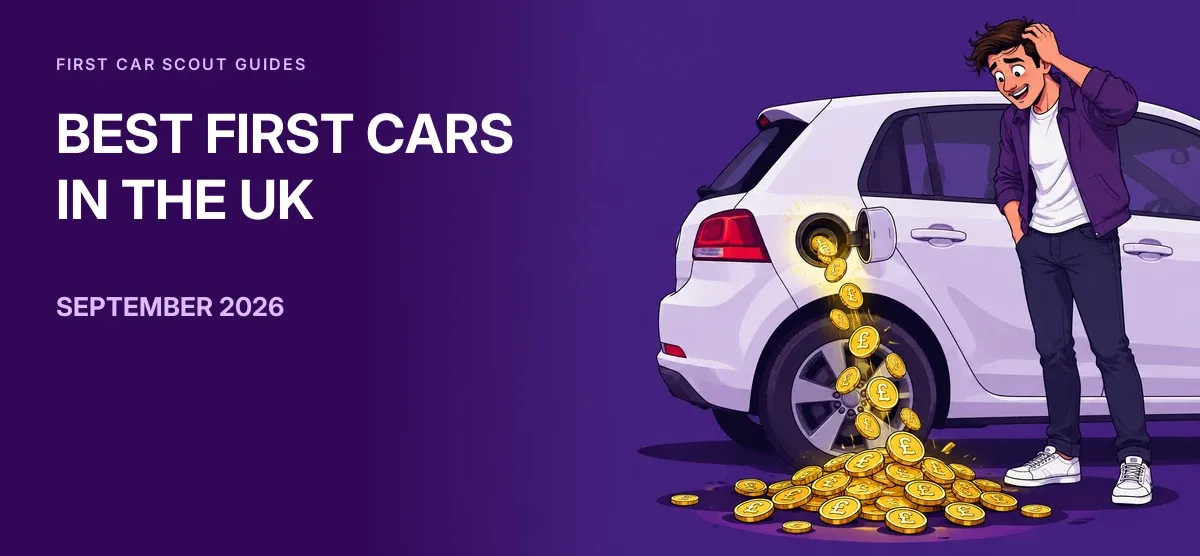
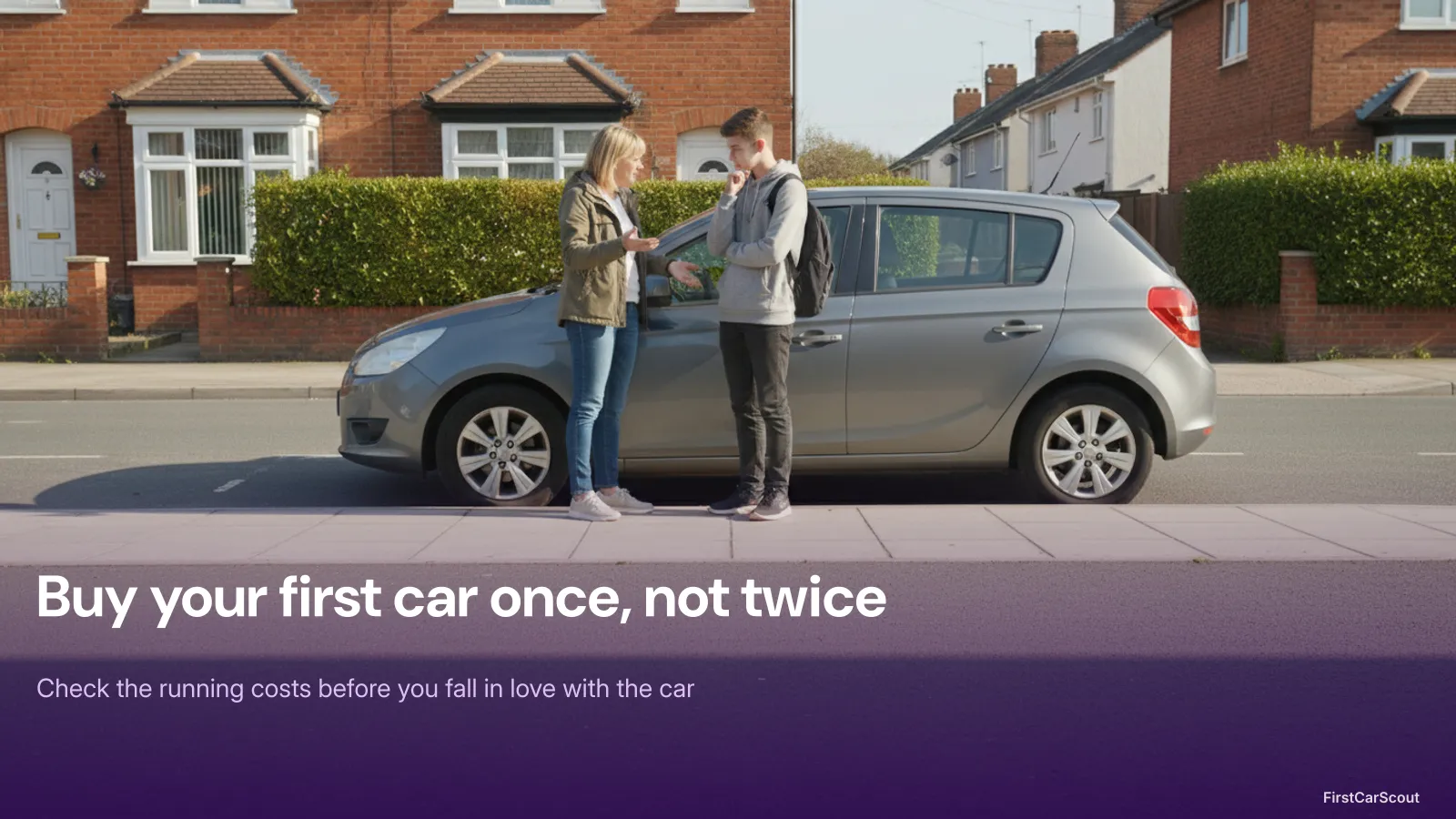
The car was sensible enough. The problem was the trim, the engine, or the badge, and nobody checked the running costs before anyone fell in love with it. Six months later, there is a trade-in loss, a bigger premiums bill, or a second purchase eating into money that could have stayed in the bank.
This is the pattern our research keeps surfacing. One user put it plainly: “I want something I can keep for one to two years to get my insurance down before I get a nicer car.” That plan sounds reasonable. In practice, it means paying twice: once for the wrong car, once for the right one.
The hidden upgrade path avoids that entirely. Pick a car that is sensible enough to insure and run, but still desirable enough that the new driver actually wants it. That means looking at trim, engine, insurance group, and real ownership cost together, before anyone goes to view it.
Why falling in love first is the expensive sequence
The research is consistent on this. Teens discover running costs only after forming an attachment to a specific car. “Just about to get my licence, will my dream car bankrupt my insurance?” is a question that should be asked before the test, not after the viewing.
Some buyers discover mainstream insurers simply won’t price them at all once a conviction or points history is factored in, regardless of how sensible the car itself is. Another found premiums had risen 500 per cent at renewal, discovered only after the emotional and financial commitment was already made.
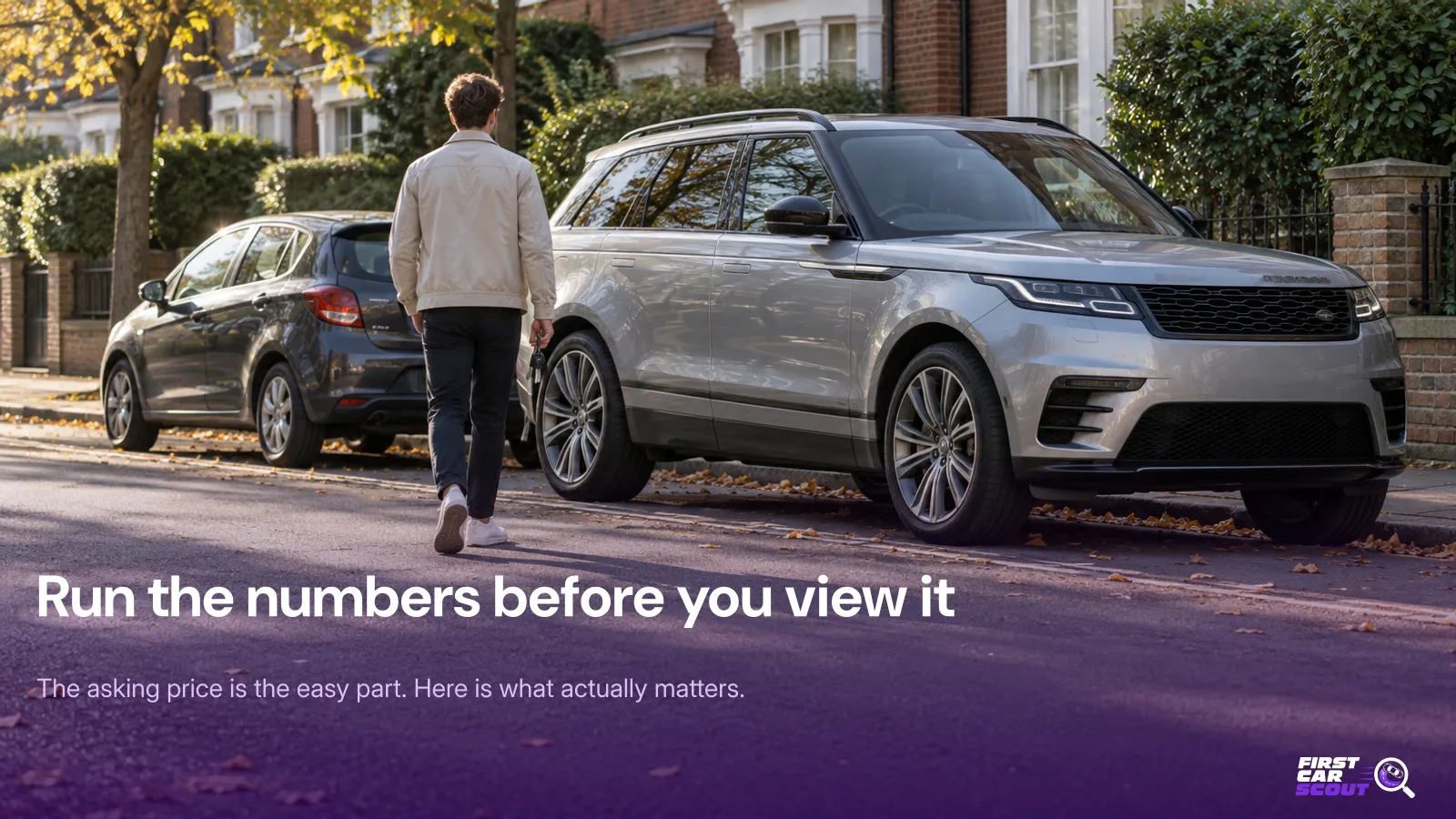
The sequence that works is the opposite: run the numbers on a shortlist of three or four cars before any of them becomes the favourite. The one that survives that filter is the one worth viewing.
What actually moves the running-cost number
Four things interact to set what a first car truly costs per month. Most buyers only check one or two.
Insurance group: The difference between group 1 and group 15 is not marginal for a new driver. It can be the difference between £800 and £3,000 a year. A car that looks affordable to buy can be unaffordable to run. Check the group before you check the colour.
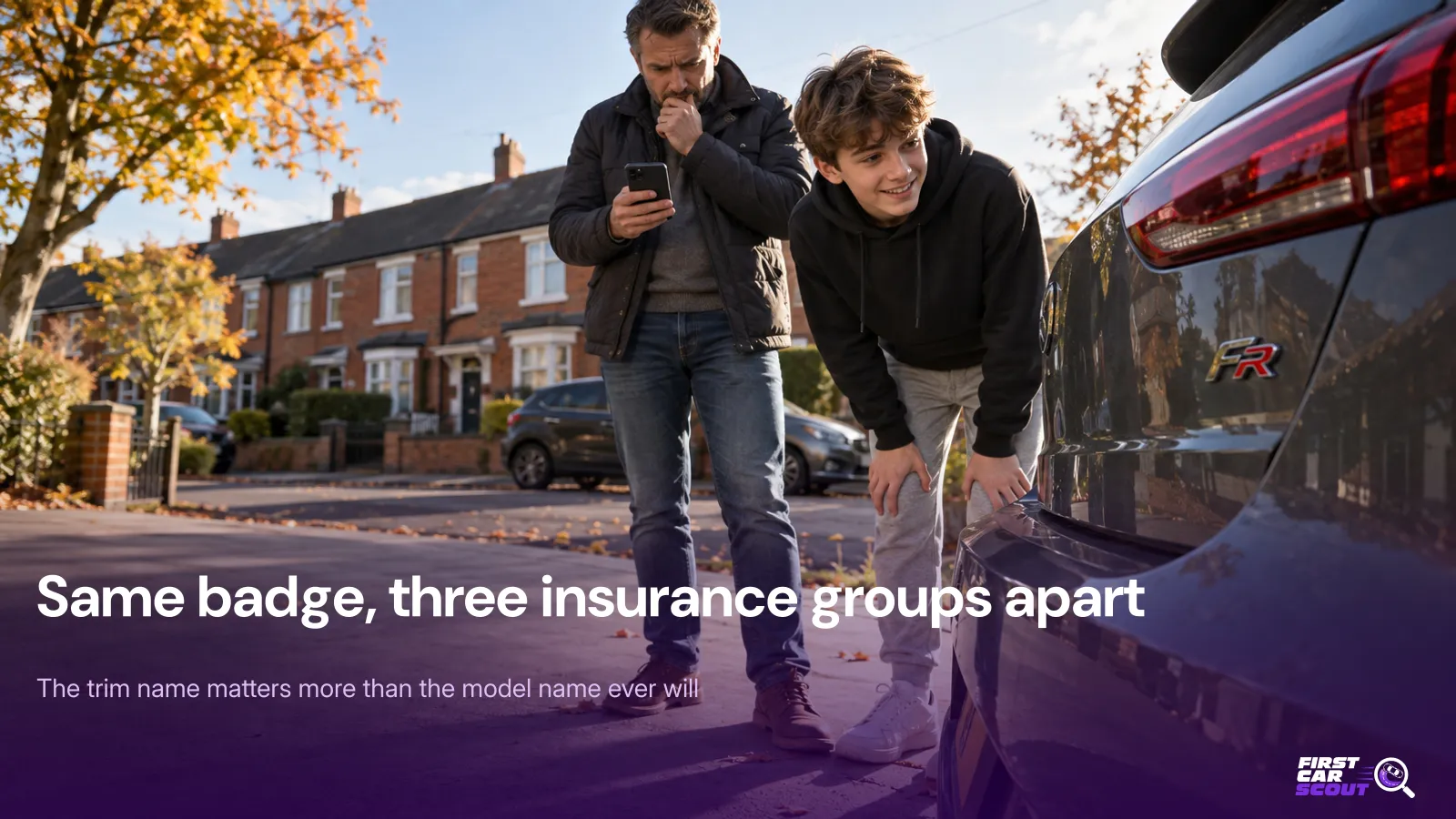
Engine size and trim: Within the same model, a 1.0-litre in a mid-range trim and a 1.4 in a higher trim can sit two or three insurance groups apart. The sporty badge, the bigger engine, the alloy upgrade, all of these move the number. One parent in our research asked “older car or new Swift for cheaper 18-year-old insurance?” The answer is almost always: newer car, smaller engine, lower trim, checked before purchase.
The vehicle’s actual insurability: Some cars are not just expensive to cover, they genuinely cannot be covered at any sensible price for a new driver. Older imports, high-performance models, and cars with modifications fall into this category. One user discovered this post-purchase: “car is quite literally uninsurable.” A five-minute check before viewing prevents this entirely.
Total monthly cost, not just the purchase price: Premiums, fuel, tax, and likely repair costs need to be one combined number against the available budget. A £3,000 car with £3,000-a-year premiums costs more in year one than a £5,000 car with £1,200-a-year premiums. The sticker price is not the budget.
The trim and engine decision is where most families lose money
This is the specific gap our research surfaces most clearly. Parents are comparing models, Aygo versus Swift, older versus newer, without the data on how trim and engine within a model affect the real cost. One parent described it as trying to “benchmark their own costs” with no structured way to do it.
The rule of thumb: within any sensible first-car model (Hyundai i10, Toyota Yaris, Suzuki Swift, Skoda Fabia, VW Polo), the lowest or second-lowest engine paired with a mid-range trim is almost always the sweet spot. It keeps the insurance group low, avoids the premium-trim price tag, and still gives the driver a car they are genuinely pleased to own.
“A car that turns heads, won’t break the bank, and has relatively cheap insurance” is how one teen described what they were looking for. That car exists across several models. The challenge is identifying the right version of it before viewing, not after.
The one-car plan in practice
Before anyone goes to view a car:
- Build a shortlist of three to four models in the right insurance groups (1 to 8 for most new drivers)
- For each model, identify the specific engine and trim that keeps the group low
- Run a cost estimate on a representative reg from each, treat premiums, fuel, and tax as one monthly number
- Let the driver choose from what survives that filter, not from the full market
This is how you buy once. The car the driver picks from that shortlist is one they actually want, and one the budget can genuinely support for two or three years, long enough to build a no-claims record that makes the next car meaningfully cheaper.
FirstCarScout’s shortlist tool runs exactly this filter. Put in the budget, the driver’s profile, and the kind of car they want, and it surfaces options where the full running cost has already been checked, not just the sticker price.