Why The £5,000 First Car Is Quietly Disappearing
The affordable end of the used car market is under pressure, and good first cars now sell within days. Here is what is happening to the £3,000 to £8,000 sweet spot, and why the smartest first car is about value, not the lowest price.
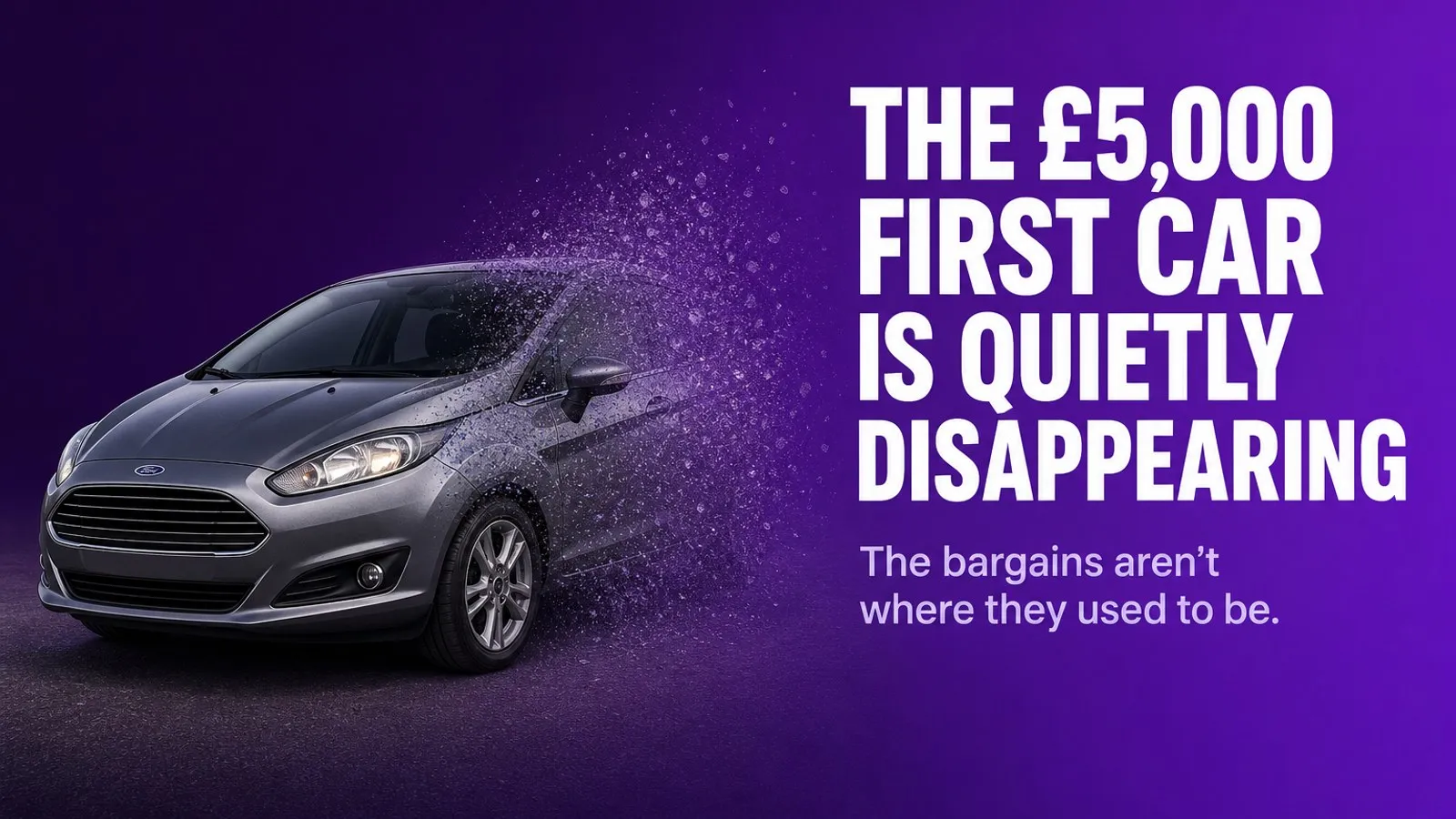
If you have started looking for a teenager’s first car recently, you may have noticed something. The bargains are not where they used to be.
Cars that once comfortably sat around the £5,000 mark are becoming harder to find, and when good ones do appear, they often disappear within days.
You are not imagining it.
The affordable end of the used car market is under pressure, and it is creating a new challenge for families buying a first car.
So what is happening
Several things have happened at once. During the pandemic, fewer new cars were manufactured and sold. Fast forward a few years and we are now feeling the knock-on effect: fewer new cars sold back then means fewer used cars entering the market today.
At the same time:
Families are keeping cars for longer
Fewer good cars are being traded in, so fewer reach the used market.
More people are buying used instead of new
Higher new-car prices have pushed more buyers down into the used market.
Demand for affordable cars stays high
The cheaper a car is, the more buyers are chasing it.
New drivers compete for the same pool
Everyone shopping for a sensible first car is fishing in the same small pond.
The result? The £3,000 to £8,000 sweet spot, where many first-car buyers naturally shop, has become much more competitive.
Why this matters if you are buying a first car
Many parents still approach the process the same way they did years ago. The assumption is: “We will spend a few weekends looking around and eventually find a bargain.”
Unfortunately, that strategy is becoming less reliable. The best-value cars do not sit around for long anymore. And waiting for prices to suddenly fall may not save you money.
The biggest mistake families make
When people hear prices are rising, they often decide to wait. But waiting can create a different problem.
- 1 Your teenager still needs lifts.
- 2 Driving lessons continue.
- 3 Research drags on for weeks.
- 4 Good cars are being bought by somebody else.
Nobody can accurately predict where used car prices will go next. Trying to time the market is almost impossible.
Stop looking for the cheapest car
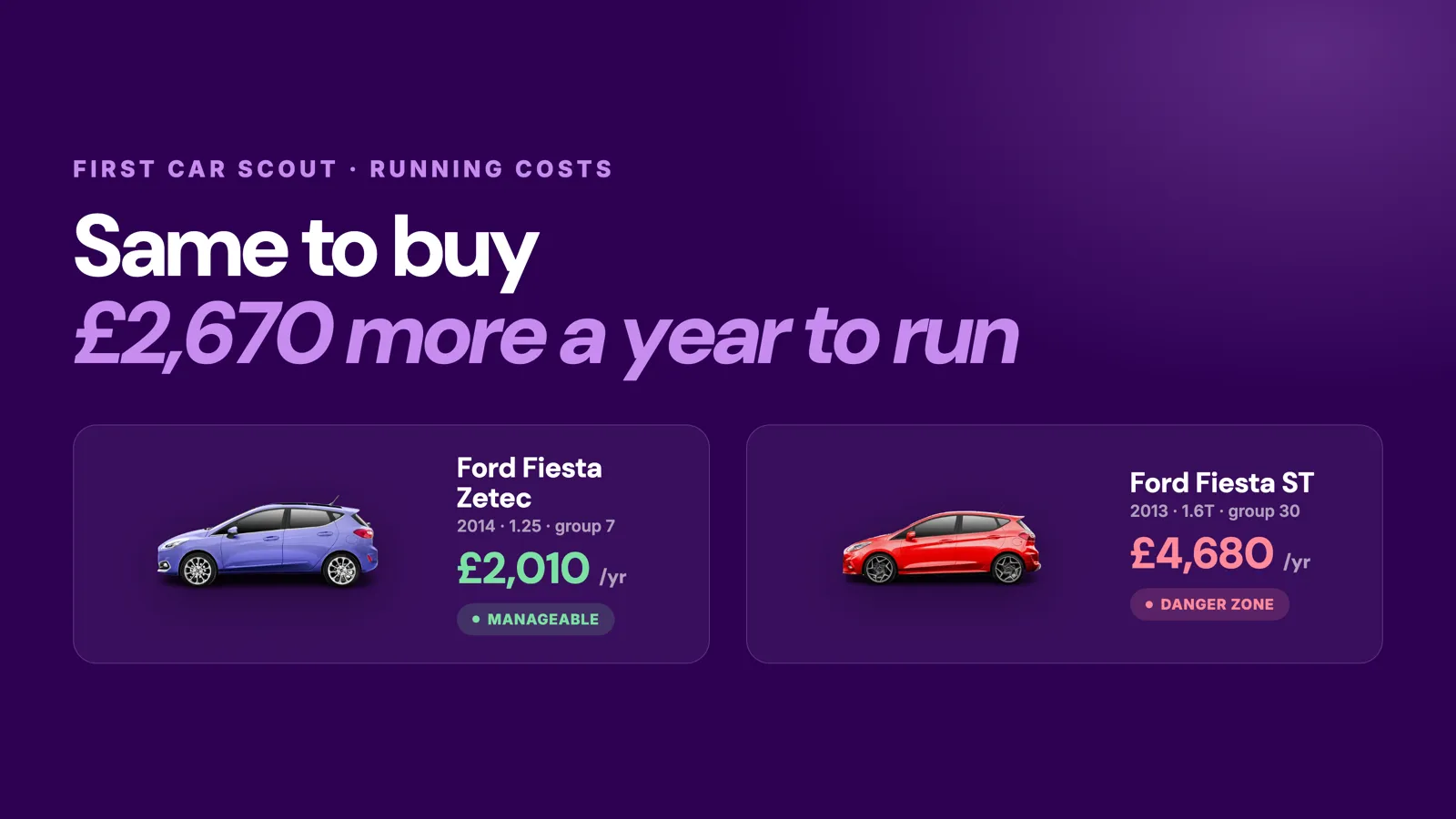
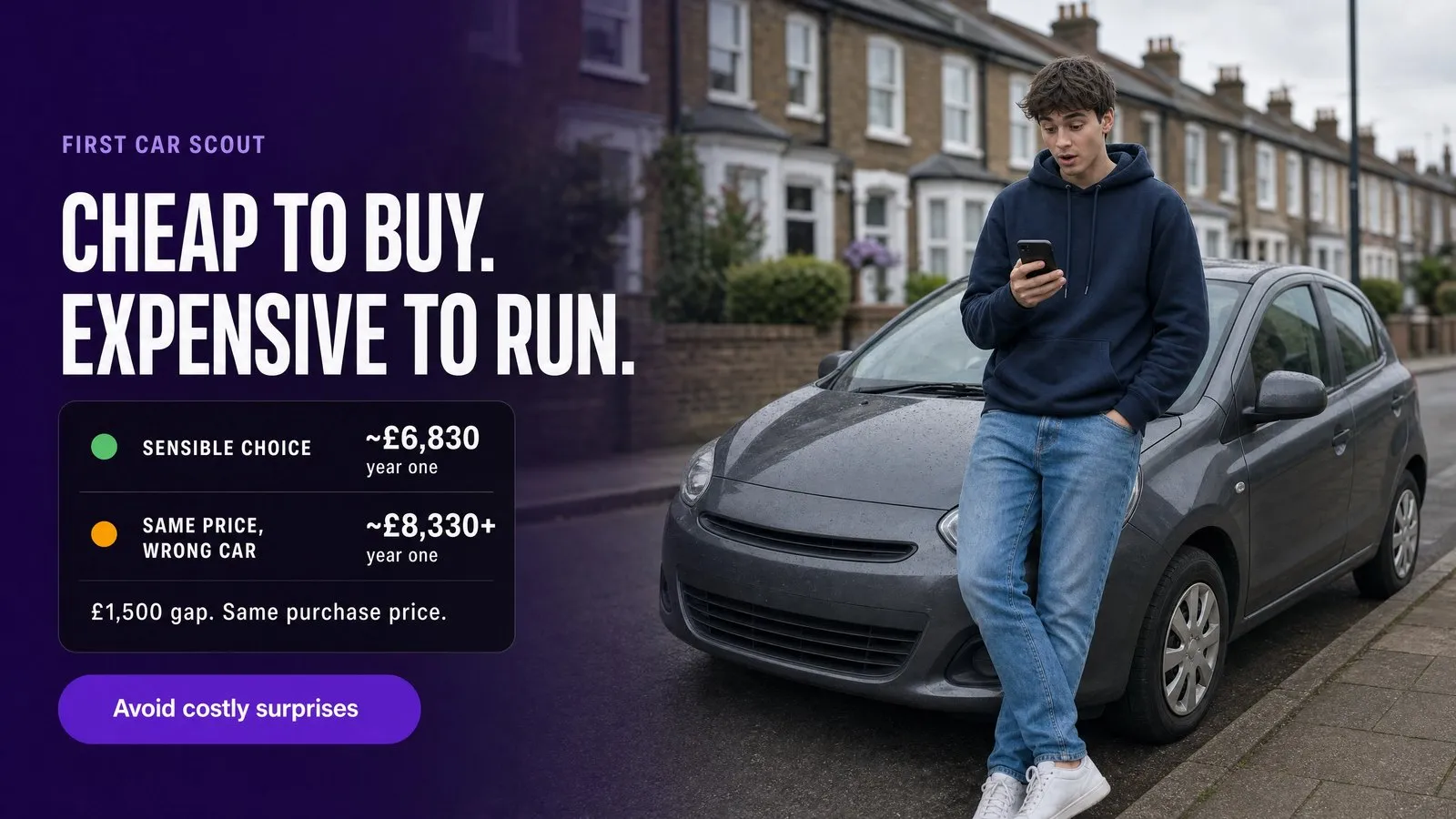
This may sound strange coming from us, but the cheapest car is rarely the smartest purchase. A £3,500 bargain can quickly become a £6,000 mistake.
Hidden costs often include expensive cover, unexpected repairs, poor reliability, higher fuel bills and pricey replacement parts.
Five things that matter more than the sticker price
Before buying any first car, try to balance these.
Affordable to run, including cover
The cheapest car to buy is not always the cheapest car to own. The cost of insuring it is often the biggest line in a young driver's first year, so check it before you fall in love with a car.
Reliability
A dependable car means fewer breakdowns and fewer unpleasant surprises. It is the difference between a quiet first year and a string of garage bills.
Safety
Look beyond appearance and prioritise strong safety credentials. This is the one thing you cannot add back later.
Running costs
Fuel, tyres, servicing and maintenance quickly add up. A car that looks affordable on the forecourt can cost far more than expected once it is on the road every day.
Teenager appeal
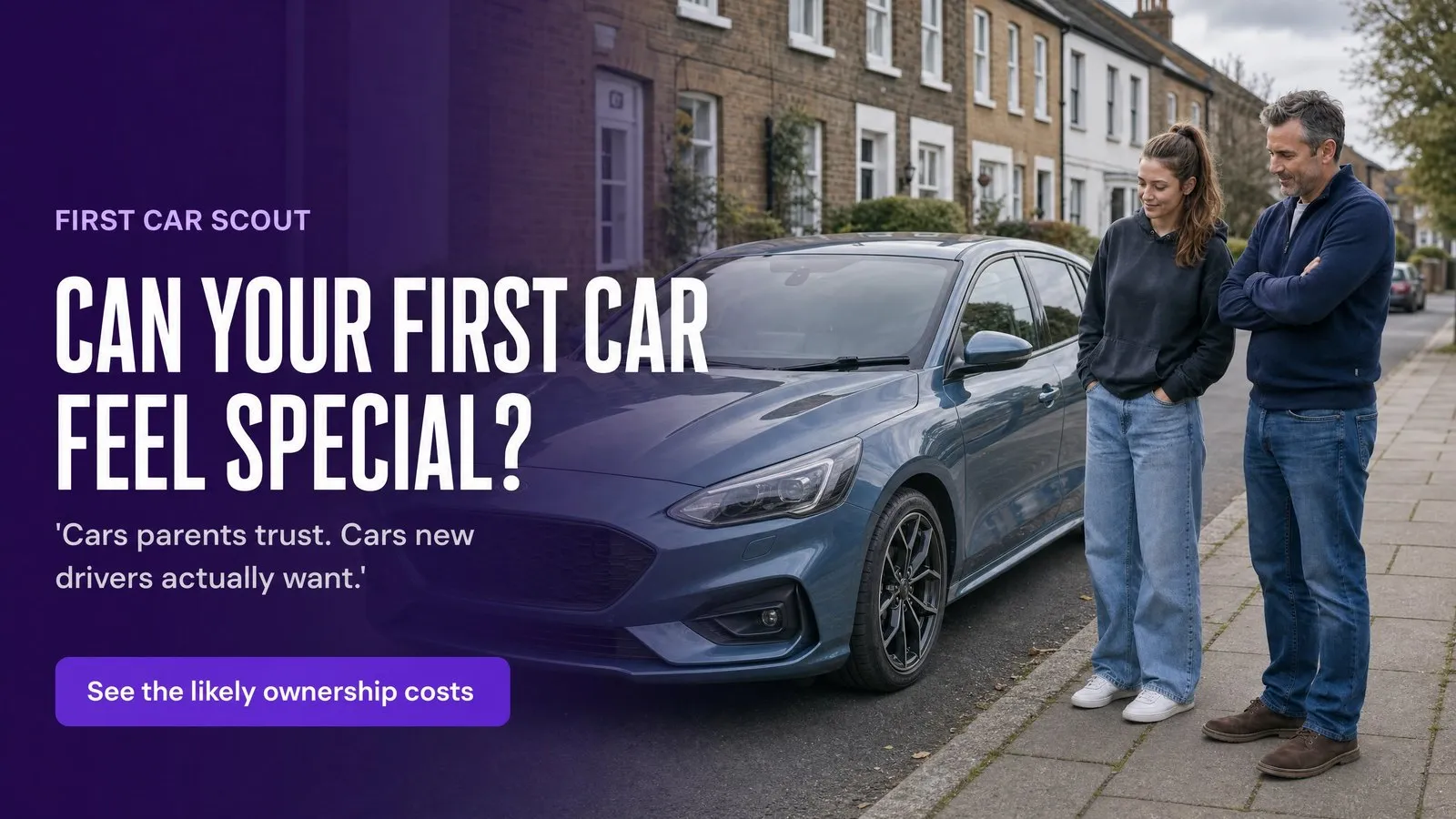
Let us be honest, they still need to like the car. A car they are proud of tends to get looked after, and a car nobody loves tends to sit unwashed on the drive.
The sweet spot sits somewhere in the middle.
Do not panic buy either
There is another trap emerging. Families hear that prices are rising and rush into the first available car. That is equally risky. Fast decisions are not always smart decisions.
Take enough time to compare your options properly. Just do not spend months waiting for a mythical bargain to appear.
The rules of buying a first car have changed
Twenty years ago, finding a sensible first car was relatively straightforward. Today, families are trying to balance thousands of available vehicles, the cost of cover, safety ratings, reliability records, running costs, budgets and teenager expectations all at once. It has become a surprisingly complex decision.
Our advice? Do not try to predict the market. Do not wait for the perfect bargain. Do not buy emotionally. Instead, focus on finding the smartest overall option available today.
Because buying a first car is not about getting the cheapest deal. It is about avoiding expensive mistakes.
What First Car Scout can do
Buying a first car for a teenager? First Car Scout helps families compare affordability, cover costs, safety, reliability and running costs before they buy.
Because the smartest first car is not necessarily the cheapest. It is the one everyone can feel good about.