Cheap Car Insurance Scams: What Young Drivers Need to Know Before You Buy
Young drivers searching for cheap car insurance are being targeted by fake-policy scams on social media. Learn the warning signs, and how First Car Scout helps you see realistic first-car costs before you buy.
Car insurance for young drivers is expensive. Painfully expensive.
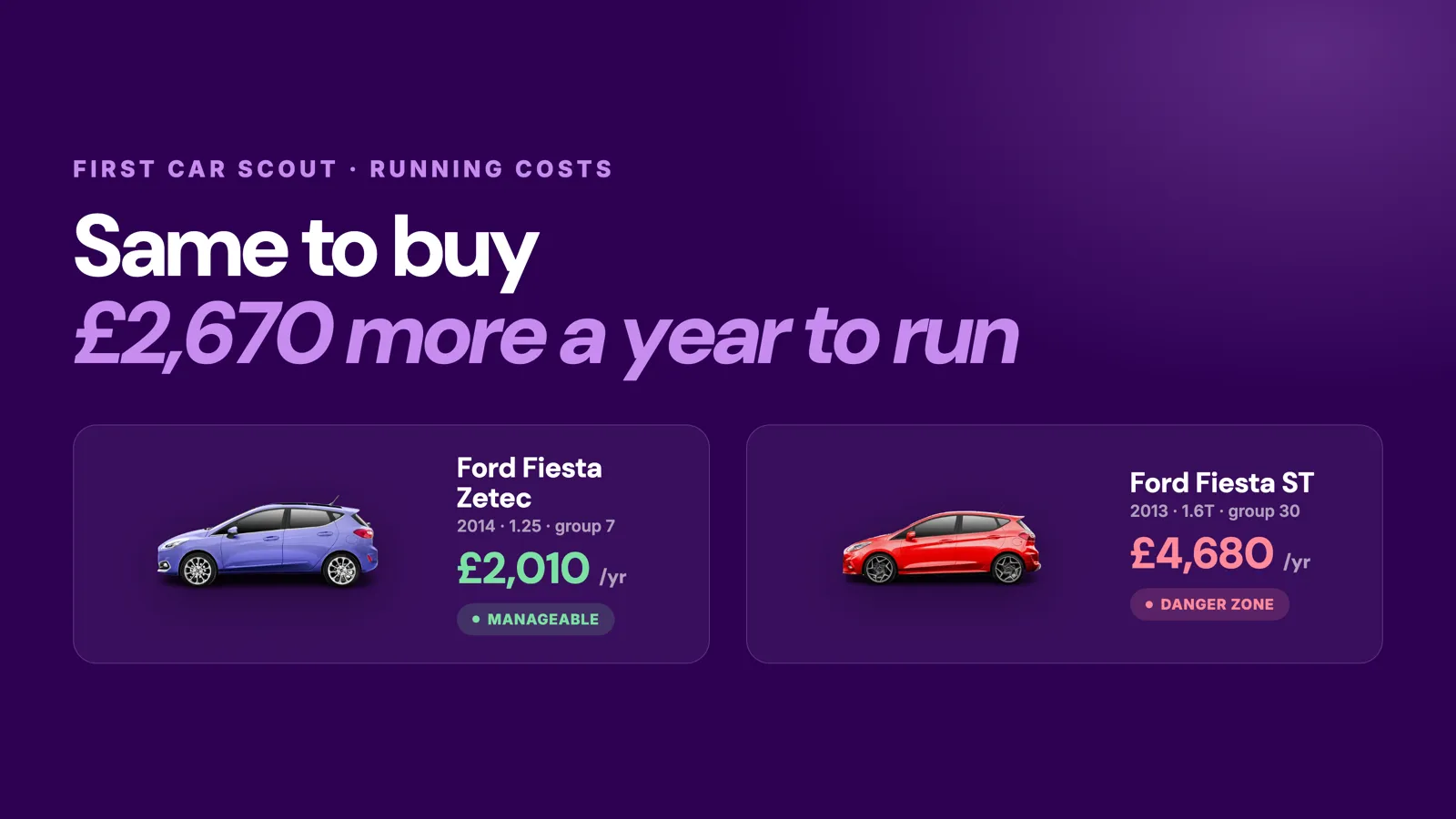
For many 17 to 25-year-olds, the first year of cover can feel wildly out of proportion to the car itself. A £4,000 first car can quickly become a £7,000 decision once insurance, tax, fuel and maintenance are added in.
So when a young driver sees a much cheaper insurance deal on Instagram, TikTok, Snapchat, Facebook Marketplace or WhatsApp, the temptation is easy to understand. That is exactly what scammers are counting on.
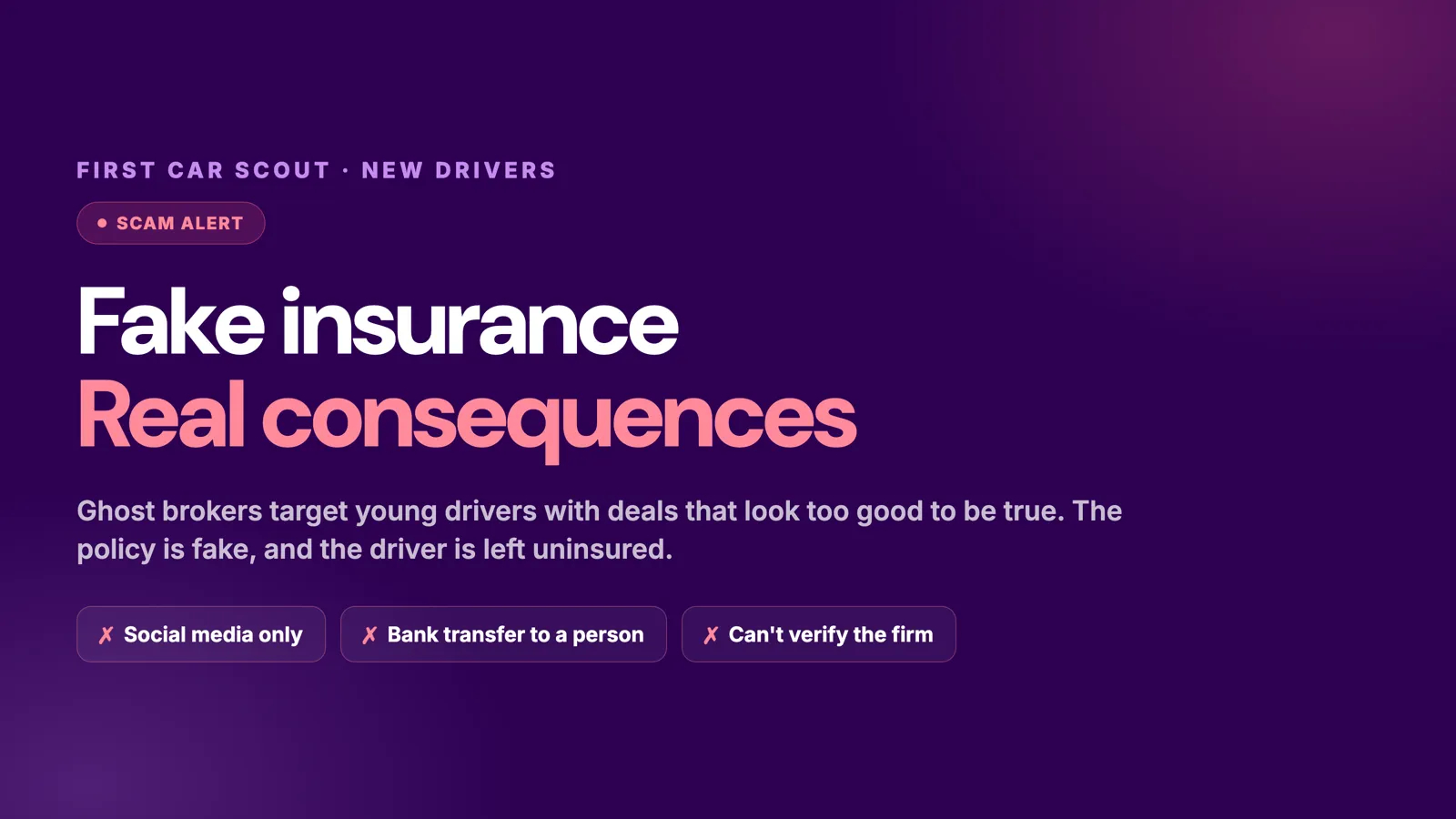
The FCA has warned young drivers about “ghost brokers” selling fake or invalid car insurance through social media and messaging apps. These sellers can look convincing: professional-looking documents, fast replies and prices that seem to solve the problem overnight.
But the policy may not exist. The broker may have changed key details to force the price down. Or the policy may be cancelled shortly after purchase. Either way, the young driver is left uninsured, often without realising.
Why this scam works
The scam works because the underlying problem is real. Young driver insurance is often one of the biggest costs of buying a first car, and for some families it is the factor that turns an affordable-looking car into a bad decision.
That pressure creates a dangerous gap between what a young driver wants the price to be and what the real market is likely to charge. Ghost brokers step straight into that gap. They offer the number everyone wants to hear:
“£900 fully comp.” · “No black box.” · “Instant cover.” · “Cheap young driver insurance.”
If a quote is dramatically cheaper than every regulated insurer or comparison site, there is usually a reason.
How ghost broking works
- 1 A young driver sees a much lower offer on social media or in a DM.
- 2 The seller sends convincing, professional-looking documents.
- 3 The policy is fake, altered to force the price down, or cancelled soon after.
- 4 The driver is left uninsured, often without realising.
The real risk
Buying fake insurance is not like buying a fake phone case. If the policy is invalid, the driver may be treated as uninsured. That can mean fines, penalty points, the car being seized, trouble getting insured in future and, in serious cases, prosecution.
For a new driver, six points can be enough to lose a licence. So the real cost of the cheap policy can be far higher than the expensive quote they were trying to avoid.
Warning signs to spot
A genuine broker is authorised, traceable and verifiable. If the only contact is a DM, a mobile number or a WhatsApp chat, treat that as a warning sign.
The better answer
The hardest part of first-car buying is that many families check insurance too late. They find a car, fall for it, negotiate the price, and only then check the insurance. That is usually when the shock arrives.
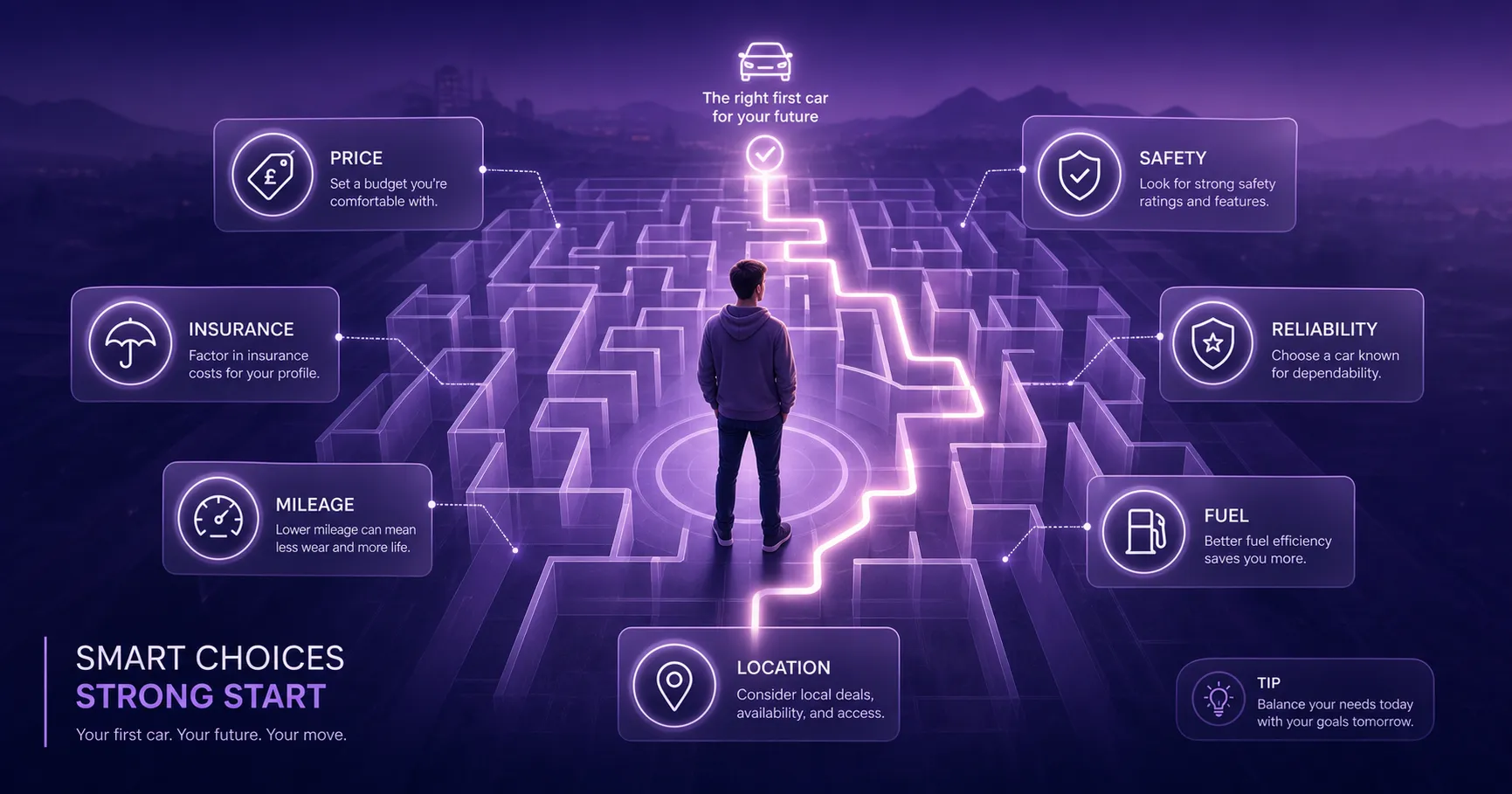
First Car Scout is built to reverse that. Instead of guessing, hoping, or being pulled towards suspiciously cheap offers, young drivers and parents can see realistic first-car costs before settling on the car. That means looking at the whole decision:
- Purchase budget
- Driver age and postcode
- Likely insurance group
- Running costs
- Reliability and safety
- Whether the car is genuinely sensible for a new driver
The goal is not to find a fantasy insurance price. The goal is to avoid bad surprises.
Expensive does not mean hopeless
The message is not “give up, insurance is too expensive.” It is “plan around the real cost.”
Some cars that look affordable are expensive to insure. Some less obvious cars make far more sensible first choices. Engine size, trim, insurance group, age, value and driver profile all make a difference. A young driver does not need to be scared into inaction, but they do need to be protected from false bargains.
Before you buy
- Get real insurance quotes from regulated providers or comparison sites.
- Check any broker on the FCA Firm Checker.
- Avoid insurance offers that only exist in DMs.
- Treat an unusually cheap quote as a warning sign, not a win.
- Use First Car Scout to understand which cars are likely to make sense before you buy.
Source: FCA: Young drivers warned about fake insurance sold on social media